

The Safety Certificate for Hillsborough Stadium
- SWFC was not in Division 1 at the time. However, because Hillsborough Stadium was used regularly for matches like FA Cup semi-finals, which attracted crowds of over 30,000, the then Chief Constable of SYP believed the stadium should be required to have a Safety Certificate. He wrote to the Home Office to request that Hillsborough Stadium should be designated. In 1978, it was, so SWFC had to obtain a Safety Certificate.
- The application form was submitted in September 1978; the capacity of the stadium was given as 54,950.
- SWFC had by this time appointed local engineering firm Eastwood & Partners as structural advisers and to help the club meet its duties under the SSGA 1975.
- The director of Eastwood & Partners, Dr Wilfred Eastwood, reviewed the layout of the stadium and assessed the capacity against the standards in the Green Guide 1976. In early 1979, he calculated, under a strict interpretation of the Green Guide, the capacity of 54,950 was too high. In a letter to SWFC, he explained that if the club made certain improvements, like upgrading some crush barriers, the capacity could stay above 50,000. He calculated maximum permitted capacities for each area of the stadium, based on his interpretation of the Green Guide; for the West Terrace, the maximum permitted was 7,200.
- After work was done to upgrade the crush barriers as Dr Eastwood had recommended, Hillsborough Stadium was granted a Safety Certificate in December 1979. On the Certificate, the total stadium capacity was set at 50,174 and the maximum permitted capacity of the West Terrace at 7,200.
- As part of his work for the Goldring Inquests, engineering expert Mr Cutlack made his own calculations of the maximum permitted capacities for each area of the stadium as it was in 1980, following the Green Guide 1976. He concluded that most of Dr Eastwood’s figures were too high and that the maximum capacity of the West Terrace at that time should have been 4,518.
- In this calculation, Mr Cutlack included the gates in the perimeter fence at the front of the terrace as part of the emergency exit provision. However, he also noted that it was not wholly clear whether those gates would be deemed suitable as emergency exits under the Green Guide 1976. They were narrow and had been designed primarily to allow police officers into the terrace rather than to allow supporters out. If these gates were not included, he calculated that the permitted capacity should have been 3,089.
Image
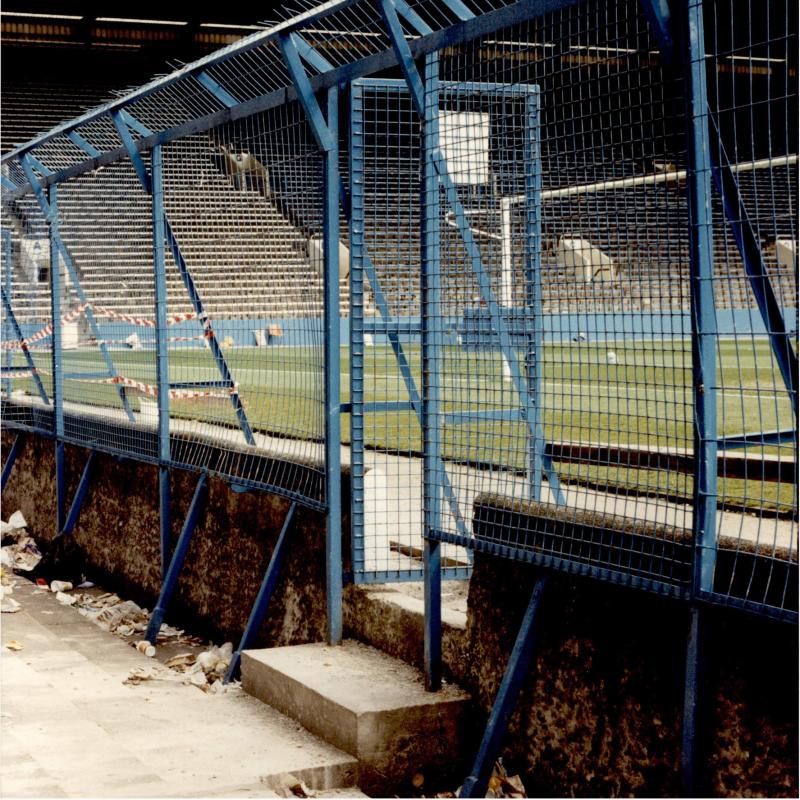
Figure 2B: View of perimeter gate and perimeter fence from Pen 3 (Source: SYP)
- In short, this meant that from 1979 onwards, there were many more supporters allowed on the West Terrace than should have been, according to the safety guidelines of the day.