

IOPC’s Survivor Engagement specialists helping victims win justice
Specialist Survivor Engagement Managers at the IOPC are supporting vulnerable victims and witnesses through our investigations…and helping them secure justice.
“Many of these people have suffered trauma. My job is to build a rapport, gain their trust, and reduce the risk of them being re-traumatised during the investigation and criminal justice process.”
Survivor Engagement Manager Olivia Mitchell joined the IOPC in May 2025 having spent six years with the Rape & Sexual Violence Project (RSVP) charity in Birmingham.
She worked as a helpline advisor, specialist trainer and Independent Sexual Violence Advisor (ISVA) for victims of sexual violence and domestic abuse, offering a guiding, supportive hand through the police and court system.
The 28-year-old is now using her experience to assist similarly vulnerable people involved in IOPC cases and to help investigators elicit the best possible evidence.
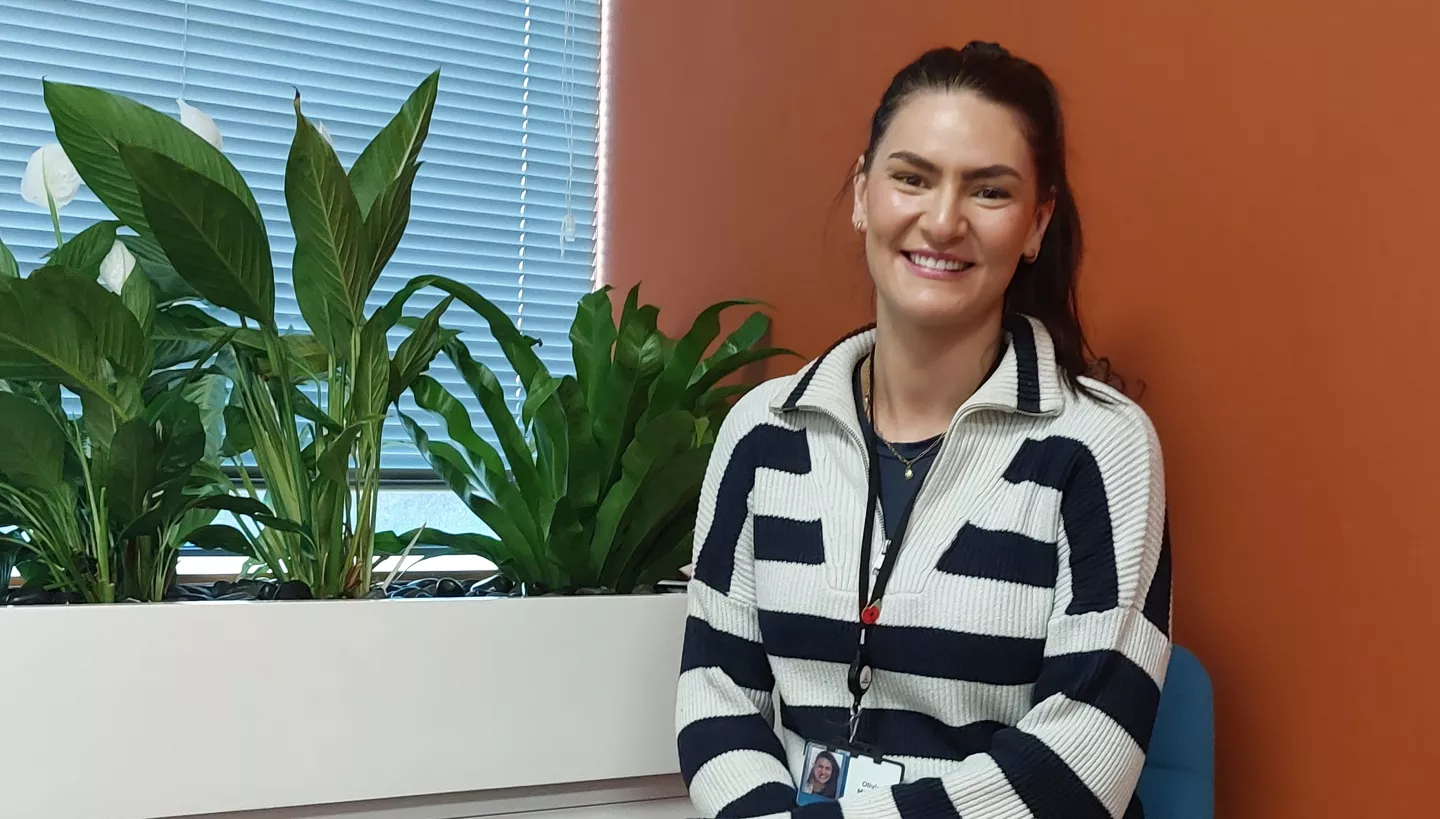
“It’s something I’m passionate about,” added psychology and criminology graduate Olivia. “At university I spent time volunteering on the RSVP helpline before becoming an ISVA. It ignited a fire in me. It’s hugely rewarding to support people to navigate what can be a daunting, stressful system and helping them get justice for what they’ve been through.
“I would support victim-survivors to disclose and report offences, offer wellbeing and daily emotional self-care strategies, accompany them in police interviews or at court, and provide updates on cases. I’m not a counsellor but it’s about developing a rapport with survivors and helping them develop coping strategies and engaging with other agencies to provide holistic support.
“The value of the role really hit me one day in court. It was an IOPC Abuse of Position for Sexual Purpose (APSP) case, and I’d been working with the survivor for two years. She was struggling to read her Victim Impact statement in court; she was emotional. She started scanning the courtroom for me and we locked eyes for around 10 seconds. We had an unspoken conversation where I told her ‘you can do this’.
“All the work we’d done to that point, to build a rapport and understanding, gave her the strength to tell everyone what had happened.”
Olivia is one of two IOPC Survivor Engagement Managers.
They review referrals into the IOPC and identify cases involving potentially vulnerable survivors or witnesses who might benefit from their support. It could be someone who’s disclosed domestic abuse or sexual offence, experiencing mental health difficulties, or has a history of substance misuse.
Olivia added: “It can be something as simple as offering investigators advice on engaging with survivors or those with vulnerabilities, signposting or referring to external organisations, how to open a conversation, to phrase an email or a report, and the right method of communication. The phrase ‘trauma informed’ is often used. It essentially means not re-traumatising victims in the way we interact with them or language we use.
“It’s not about softening the message to a point where there is ambiguity, but ensuring victims’ wellbeing is understood and considered.
“It’s important. In a worst-case scenario, not only could a survivor or witness suffer distress, but they could disengage with an investigation if the right support is not put in place. And that could lead to an investigation being jeopardised and offenders escaping punishment.”
Written by
